home page ← Buzz@Bruss! Edition #6 ← Illicit Tobacco: a silent parasite undermining Europe
The numbers are staggering. The World Bank estimates that illicit tobacco drains US$40–50 billion from global government revenues each year1. The WHO puts the illicit share at 11% of global tobacco trade, suggesting a potential US$47.4 billion in recoverable tax revenue annually2.
In Europe, the crisis is acute. In 2023 alone, 52 billion illegal cigarettes were sold across 38 markets, costing governments €16.6 billion in lost tax revenue according to a KPMG study.
But the damage doesn’t stop at lost revenue. Illicit tobacco is often a gateway to broader organized crime – funding everything from human trafficking to arms smuggling.
Greece: a dual story of challenge and progress
Greece exemplifies both the scale of the problem and what’s possible with coordinated action. Nearly one in four cigarettes sold in the country is illicit, costing over €600 million annually in tax losses. Counterfeit production is growing, with sophisticated illegal factories operating across Europe – including in Greece.
Yet, thanks to joint efforts between the government, law enforcement, and industry, illicit trade in Greece has fallen from nearly 30% to around 20% in just a few years. It’s a model of public-private collaboration worth replicating.
The Industry’s role: from enforcement partner to innovator
At JTI, we are investing millions of dollars in anti-illicit trade efforts, including research, supply chain security, awareness campaigns, and providing actionable information to law enforcement agencies.
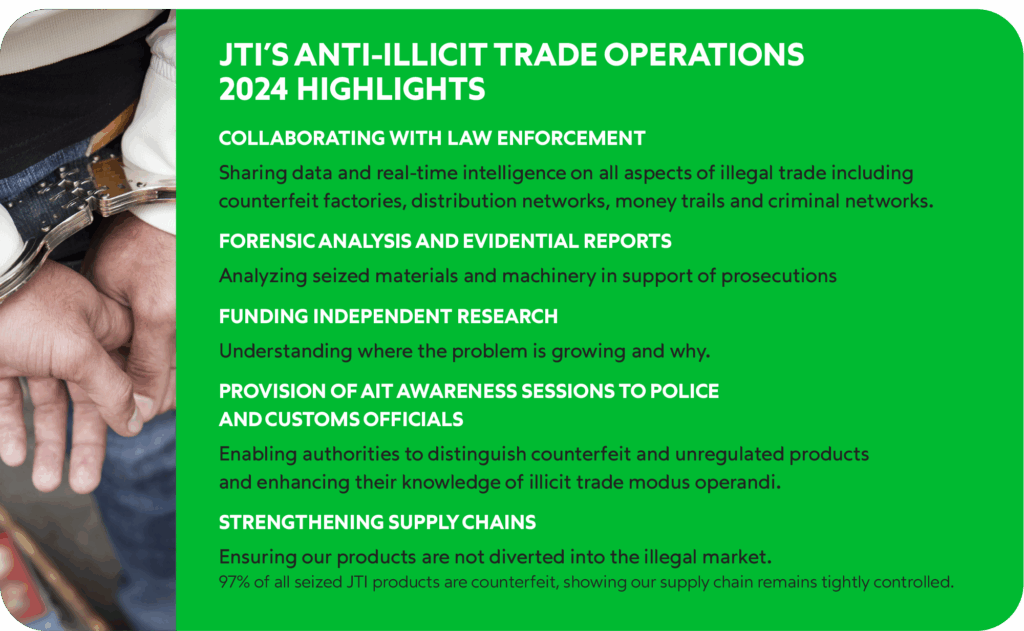
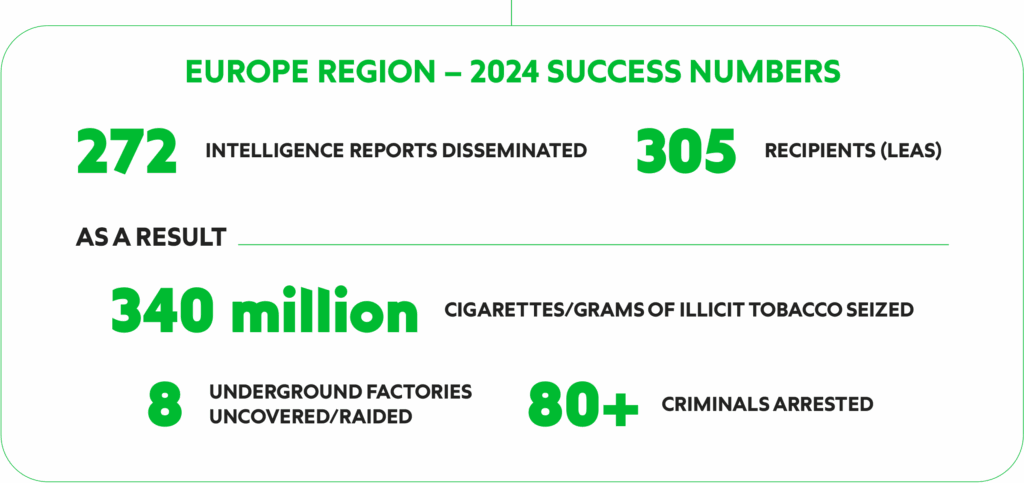
In Greece, our cooperation is particularly strong. Recent enforcement actions supported by JTI have delivered incredible results. Last week, we launched a large joint awareness PR campaign with the Greek Public Revenue Agency (AADE), highlighting the human cost of illicit tobacco. This campaign, running online through major Greek websites, emphasizes that it’s not just about lost revenue; it’s about family businesses being crushed, public health endangered, and communities destabilized.
Criminal groups are becoming smarter and faster, moving online and using social media and e-commerce like any modern business. Innovation is key to staying ahead. Our team is now tracking digital distribution trends, identifying where and how criminals operate in virtual spaces, and helping law enforcement keep up. In this new landscape, data is the new weapon, and cooperation is the impact multiplier.
A call to action
Governments can no longer afford to treat illicit tobacco as background noise. Every cigarette sold is a theft from our future — a blow to consumer safety, small businesses, and the rule of law as it tells the public that rules don’t matter.
Recent European enforcement actions in Belgium, Latvia and Greece have exposed the scale of this criminality. With bold political commitment, increased resources for enforcement, and stronger cross-border cooperation, significant impact can be delivered against this growing threat.
Tobacco in the EU-SOCTA Report
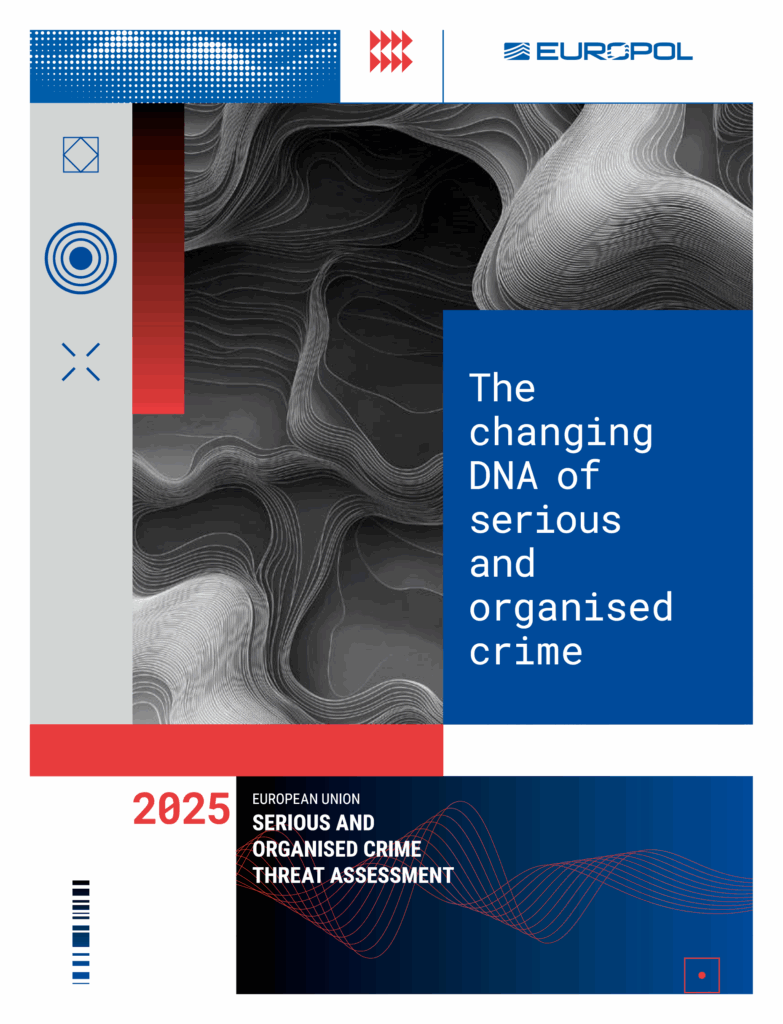
The EU-SOCTA 2025 report identifies organized crime as a major security threat to the EU, with criminal networks rapidly evolving and exploiting online platforms, AI, and geopolitical instability. Europol highlights the “changing DNA” of these organizations, which use digital tools to expand their impact. Organized crime undermines societal cohesion, fuels corruption, and perpetuates violence. To combat, proactive, collaborative approaches, including intelligence-sharing and cross-border cooperation, are essential.
1. Confronting Illicit Tobacco Trade, World Bank Group, 2019
2. Protocol to eliminate illicit trade; WHO, 2024
Buzz@Bruss!
#6
more articles
Facts, not fear – acknowledge the evidence
Smart regulations for innovation
Findings from EVO NXT
